

Broad outcome
Do well in Physics.
Teacher GCSE and ALEVEL for 20+ years
Head of Department, Head of Year, Assistant Headteacher
Director of Post 16 Education
Educational Researcher
Co-Creator of the VESPA Portal and Director of VESPA Academy
LONG ROAD SIXTH FORM COLLEGE
Physics workshop
Shared presentation
4 sessions
57 respondents
Teaching slides and the group’s recorded responses.
October 2026
Andrew Huberman on Chris Williams Podcast
Do well in Physics.
Get full marks on electric fields and capacitors questions in my next test.
Show my working for every Physics calculation.
Next fields/capacitors practice: attempt every calculation; show the formula, substitution and unit.
Keep your ambition. Turn it into something you can do.
|
|
|
|---|---|
|
|
|
Show the formula, substitution and unit on every electric fields and capacitors calculation, and leave none blank.
Take one wrong calculation to a teacher or study partner and rework it until the method is clear.
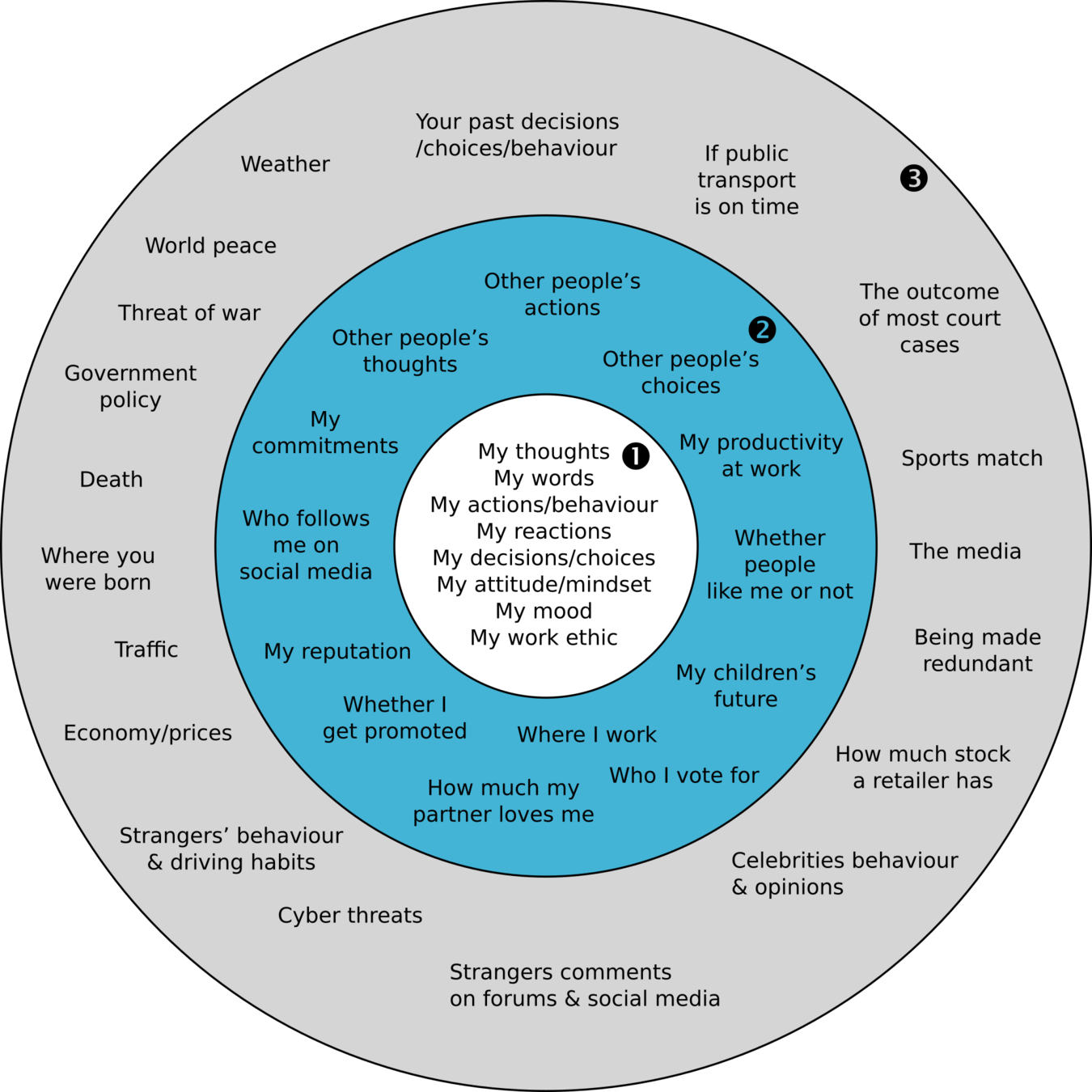
The numbers in the question, which topic is examined, and the mark the paper comes back with.
LONG ROAD • COMBINED WORKSHOP RESPONSES
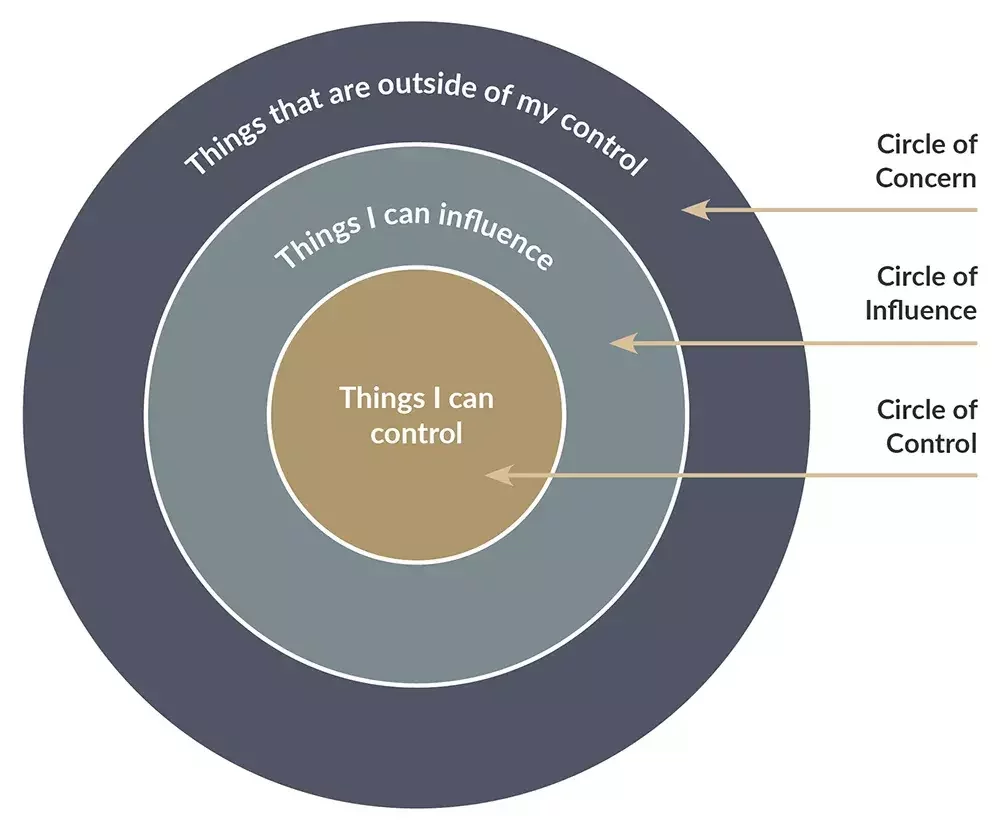
Goals: control and specificity
50 responses • Mean ratings on the 1–5 scales
1
1
2
2
3
3
4
4
5
5
Control
Specificity
1
1
Do well in Physics
Control 4.2 · Specificity 2.0 · n=49
2
2
Get full marks on electric fields and capacitors questions in my next test
Control 3.9 · Specificity 4.1 · n=49
3
3
Show my working for every Physics calculation
Control 4.7 · Specificity 3.6 · n=48
4
4
Next fields/capacitors practice: attempt every calculation and show the formula, substitution and unit
Control 4.4 · Specificity 4.3 · n=48
4 Physics sessions combined. These are participants’ judgements, rather than a test score.
Goal: go to the gym twice a week for six weeks.
Homework and time
Feeling better about myself
Tired after college
Training with a friend
Phone or gaming habits
Ratings: 1 = weak influence · 5 = strong influence
LONG ROAD • COMBINED WORKSHOP RESPONSES
Driving and restraining forces
Average strength of each force, from 1 (weak) to 5 (strong)
Driving forces
53 responses • n = ratings of each force
Curiosity about how the universe works
3.62/5
n=45
Enjoying solving challenging problems
3.62/5
n=45
A future career in science, engineering or medicine
4.06/5
n=49
Developing practical and experimental skills
3.11/5
n=44
Using Physics to solve real-world problems
3.62/5
n=47
Total strength: 18.04 / 25
Restraining forces
55 responses • n = ratings of each force
Getting stuck on mathematical steps
2.05/5
n=44
Choosing an equation for an unfamiliar problem
2.59/5
n=46
Finding abstract ideas difficult to picture
2.76/5
n=51
Losing confidence after a wrong answer
3.06/5
n=48
Other subjects competing for my time
3.94/5
n=53
Total strength: 14.40 / 25
4 Physics sessions combined. Means use submitted ratings. Totals sum five means; unselected forces are omitted.
LONG ROAD • COMBINED WORKSHOP RESPONSES
Phone distraction while studying
54 responses • 4 of 4 sessions contributed
0%
50%
100%
9%
A
5 answers
44%
B
24 answers
28%
C
15 answers
19%
D
10 answers
A
Never — My phone does not distract me when I study.
B
Sometimes — I can ignore it when I really need to.
C
Most of the time — I can study without it, but it takes a conscious effort.
D
Always — I find it very hard to study without my phone next to me.
4 Physics sessions combined. Percentages use responses to this question.
Theme: design your environment + plan the response to urges.
Idea: focus improves when work is time-boxed + distractions are physically removed.
LONG ROAD • COMBINED WORKSHOP RESPONSES
How students use their notes
53 responses • 4 of 4 sessions contributed
0%
50%
100%
4%
A
2 answers
43%
B
23 answers
42%
C
22 answers
11%
D
6 answers
A
I listen carefully, but make no notes.
B
I take notes, but do not reread them.
C
I take notes and reread them.
D
I take notes, reread them, then check and improve them using a handout or textbook.
4 Physics sessions combined. Percentages use responses to this question.
| 1 | ||
| 2 | ||
| 3 | ||
| 4 |
LONG ROAD • COMBINED WORKSHOP RESPONSES
Expected A-level grade
54 responses • 4 of 4 sessions contributed
0%
50%
100%
22%
A*
12 answers
20%
A
11 answers
28%
B
15 answers
22%
C
12 answers
7%
D
4 answers
0%
E
0 answers
0%
U
0 answers
Students’ expected grades at the time of the workshop.
4 Physics sessions combined. Percentages use responses to this question.
LONG ROAD • COMBINED WORKSHOP RESPONSES
What grade predictions are based on
54 responses • 4 of 4 sessions contributed
0%
50%
100%
50%
A
27 answers
24%
B
13 answers
4%
C
2 answers
22%
D
12 answers
A
Recent timed Physics questions, marked against the mark scheme.
B
Practice questions or feedback, but not yet under timed conditions.
C
The material feels familiar when I read or hear it.
D
Mostly a feeling — I have not tested it yet.
4 Physics sessions combined. Percentages use responses to this question.
Why it works: it forces retrieval + explanation (high utility). It reveals gaps fast (Dunlosky et al., 2013).
Use your interest: get one worked example, then attempt a similar problem independently.
Stretch yourself with an unfamiliar problem.
Start small: one question, one clear step, support if needed.
Set a challenge or connect the topic to a real application.
Skill = how confident you feel. Will = how motivated you feel.
LONG ROAD • COMBINED WORKSHOP RESPONSES
Will and skill across the course
43 responses • Mean ratings on the 1–5 scales
Topic
Skill / 5
Will / 5
Ratings
Foundations and practical skills
3.7
2.9
42
Motion, forces and momentum
4.0
3.6
43
Energy and materials
3.5
3.0
40
Electricity
2.9
2.8
42
Waves and quantum physics
3.2
3.3
42
Thermal physics
3.4
3.4
40
Circular motion, oscillations and gravity
3.0
3.2
35
Astrophysics and cosmology
3.0
3.3
36
Fields, capacitors and electromagnetism
2.1
2.2
25
Nuclear, particle and medical physics
2.3
2.6
23
4 Physics sessions combined. Skill = confidence; Will = motivation. Only rated topics enter each mean.
LONG ROAD • COMBINED WORKSHOP RESPONSES
How students usually study
33 responses • 1 = Never; 5 = Most study sessions
Reread notes or a textbook
3.1/5
Highlight or underline key information
2.0/5
Copy or rewrite notes
3.0/5
Watch explanation videos
3.5/5
Recall information with the notes closed
2.9/5
Answer practice or exam questions
4.3/5
Explain a topic aloud to someone
2.1/5
Return to a topic on different days
3.3/5
4 Physics sessions combined. Each mean pools individual ratings. The methods keep their questionnaire order.
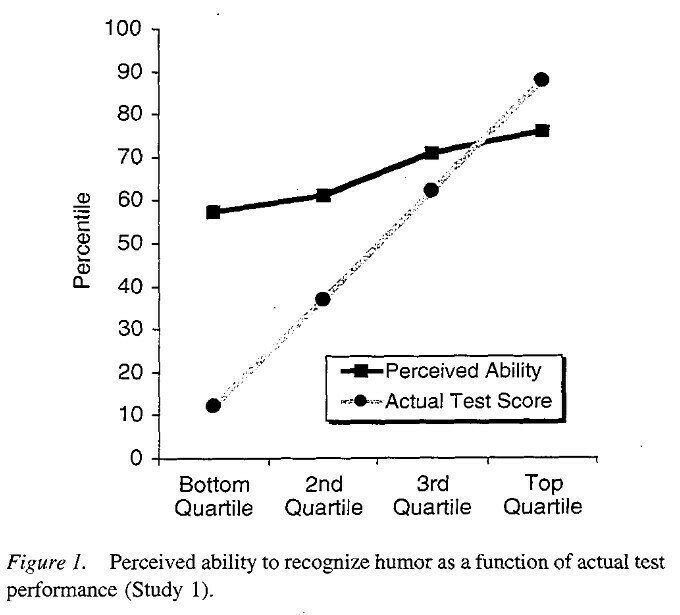
Research snapshot: Bjork (UCLA, 1990s–). Studies show that introducing difficulty during learning can improve long-term retention and transfer, even if performance feels worse during practice.
Research snapshot: Robert Bjork (UCLA, 1990s–) — certain difficulties during learning can improve long-term retention and transfer, even if performance feels worse in the moment.
Research snapshot: Dunlosky et al. (2013) reviewed evidence for common study techniques and grouped them by “utility” (how reliably they improve learning).
Research snapshot: Dunlosky et al. (2013) — practice testing and distributed (spaced) practice show strong, consistent benefits across many contexts.
LONG ROAD • COMBINED WORKSHOP RESPONSES
How students choose what to study
54 responses • 4 of 4 sessions contributed
0%
50%
100%
24%
A
13 answers
33%
B
18 answers
15%
C
8 answers
28%
D
15 answers
A
I decide in the moment when I sit down to study.
B
I have a rough idea or a basic plan in my head.
C
I have a plan of which subjects to study.
D
I plan specific topics and prioritise gaps shown by practice or feedback.
4 Physics sessions combined. Percentages use responses to this question.
LONG ROAD • COMBINED WORKSHOP RESPONSES
The group’s study habits
15 responses • Mean scores out of 10
3.7/10
Content
Revisiting and organising knowledge
6.3/10
Skills
Practising exam skills and spacing study
5.0/10
Feedback
Using feedback to improve answers
4 Physics sessions combined. Always = 10, Sometimes = 5, Never = 0. Three habits per section.
LONG ROAD • COMBINED WORKSHOP RESPONSES
How students use AI for study
54 responses • 4 of 4 sessions contributed
0%
50%
100%
13%
A
7 answers
11%
B
6 answers
54%
C
29 answers
22%
D
12 answers
A
I use AI as a tutor to test me and find weaknesses.
B
I use AI to write essays or complete work for me.
C
I use AI to explain topics or create study resources.
D
I don’t currently use AI for study.
4 Physics sessions combined. Percentages use responses to this question.
Check the topics your class is actually studying.
Use your teacher’s links and the correct paper or qualification.
Check reasoning, method and units. Retry the step you missed.
STUDY COMMITMENT
A plan for next week
1 Open a blank plan
2 Choose study times you can protect
3 Reserve a weekly planning session
Choose realistic slots across the week.
STUDY COMMITMENT
Every session needs a clear task
4 Choose the subject and topic
5 Choose a study method and a clear output
6 Save the plan and add it to your calendar
Work through each session, one at a time.
STUDY COMMITMENT
The study planner
A topic you need to practise
A task you can complete
A time you can protect
Return to the plan and adjust it as you learn.
OCR A PHYSICS · PRACTICE THE ANSWER
Capacitors: what must your answer actually do?
| Command | Example task | Your answer needs to… |
|---|---|---|
| Define | Define capacitance. | Give a precise meaning. |
| Calculate | Calculate the charge stored. | Show working and units. |
| Explain | Explain why discharge current decreases. | Connect cause and effect. |
| Evaluate | Evaluate a method for measuring capacitance. | Weigh evidence and limitations. |
Practise the kind of answer the question asks for.
LONG ROAD • COMBINED WORKSHOP RESPONSES
Command words: what is missing?
4 responses • 2 of 4 sessions contributed
Explain why current decreases as a capacitor discharges through a fixed resistor. Student answer: “The current falls exponentially over time.” What needs adding?
0%
50%
100%
25%
A
1 answer
75%
B ✓
3 answers
0%
C
0 answers
0%
D
0 answers
A
A definition of current
B
A causal explanation linking charge, potential difference and current
C
More description of the graph
D
The same statement using more technical words
4 Physics sessions combined. Correct answer: B. Small response count; interpret cautiously.
LONG ROAD • COMBINED WORKSHOP RESPONSES
The next kind of practice
2 responses • 1 of 4 sessions contributed
0%
50%
100%
100%
A
2 answers
0%
B
0 answers
0%
C
0 answers
0%
D
0 answers
A
Precise definitions
B
Calculations with clear working
C
Explaining physical processes
D
Evaluating experiments and evidence
4 Physics sessions combined. Small response count; interpret cautiously.
Research: Retrieval practice strengthens long-term memory more than re-reading (Dunlosky et al., 2013; Roediger & Karpicke, 2006).
LONG ROAD • COMBINED WORKSHOP RESPONSES
Closed-book notes: chosen topics
4 responses • 2 of 4 sessions contributed
Foundations and practical skills
0 · 0%
Motion, forces and momentum
1 · 25%
Energy and materials
1 · 25%
Electricity
1 · 25%
Waves and quantum physics
1 · 25%
Thermal physics
0 · 0%
Circular motion, oscillations and gravity
0 · 0%
Astrophysics and cosmology
0 · 0%
Fields, capacitors and electromagnetism
0 · 0%
Nuclear, particle and medical physics
0 · 0%
Not sure yet
0 · 0%
This method does not suit me
0 · 0%
4 Physics sessions combined. Small response count; interpret cautiously.
Why it works: it forces retrieval + explanation (high utility). It reveals gaps fast (Dunlosky et al., 2013).
LONG ROAD • COMBINED WORKSHOP RESPONSES
Teach-back: chosen topics
2 responses • 1 of 4 sessions contributed
Foundations and practical skills
1 · 50%
Motion, forces and momentum
1 · 50%
Energy and materials
0 · 0%
Electricity
0 · 0%
Waves and quantum physics
0 · 0%
Thermal physics
0 · 0%
Circular motion, oscillations and gravity
0 · 0%
Astrophysics and cosmology
0 · 0%
Fields, capacitors and electromagnetism
0 · 0%
Nuclear, particle and medical physics
0 · 0%
Not sure yet
0 · 0%
This method does not suit me
0 · 0%
4 Physics sessions combined. Small response count; interpret cautiously.
Research: Forgetting curve (Ebbinghaus, 1880s). Spaced practice improves long-term retention (Cepeda et al., 2006).
LONG ROAD • COMBINED WORKSHOP RESPONSES
Spaced practice: chosen topics
2 responses • 2 of 4 sessions contributed
Foundations and practical skills
1 · 50%
Motion, forces and momentum
0 · 0%
Energy and materials
0 · 0%
Electricity
0 · 0%
Waves and quantum physics
0 · 0%
Thermal physics
1 · 50%
Circular motion, oscillations and gravity
0 · 0%
Astrophysics and cosmology
0 · 0%
Fields, capacitors and electromagnetism
0 · 0%
Nuclear, particle and medical physics
0 · 0%
Not sure yet
0 · 0%
This method does not suit me
0 · 0%
4 Physics sessions combined. Small response count; interpret cautiously.
TAKE IT INTO NEXT WEEK
OCR A Physics H556 · June 2025 · whole qualification
C → B: 28 marksB → A: 28 marks
Historical example, not a prediction. Boundaries change with the exam series.
25.6%
E
69/270
35.6%
D
96/270
45.6%
C
123/270
55.9%
B
151/270
66.3%
A
179/270
76.3%
A*
206/270
STUDY RESOURCES
Flashcards for your
subject specification
Choose a topic. Test your recall.
Check the gaps and return later.
www.fl4shcards.com
LONG ROAD • COMBINED WORKSHOP RESPONSES
Quiz 1: a goal you can act on
34 responses • 3 of 4 sessions contributed
Which is the most specific goal that is mainly within your control?
0%
50%
100%
12%
A
4 answers
3%
B
1 answer
74%
C ✓
25 answers
12%
D
4 answers
A
Get the highest Physics mark in the college
B
Get full marks in every exam
C
Next fields/capacitors practice: attempt every calculation and show the formula, substitution and unit
D
Be better at Physics
4 Physics sessions combined. Correct answer: C. Percentages use responses to this question.
LONG ROAD • COMBINED WORKSHOP RESPONSES
Quiz 2: a useful study sprint
40 responses • 3 of 4 sessions contributed
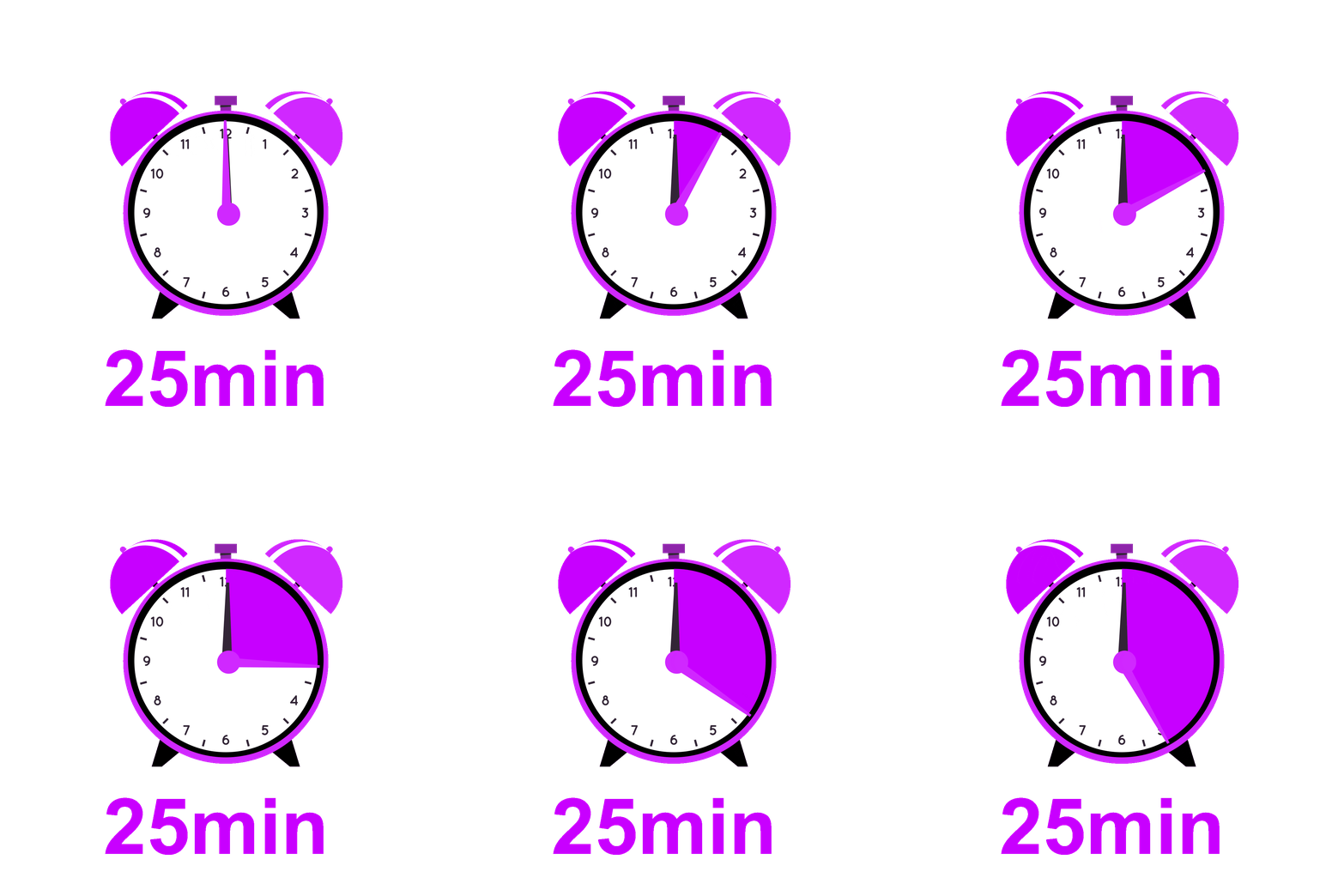
What makes a 25-minute study sprint useful?
0%
50%
100%
95%
A ✓
38 answers
3%
B
1 answer
0%
C
0 answers
3%
D
1 answer
A
A clear task, distractions out of reach, then a short break
B
Switch tasks whenever a notification arrives
C
Spend the time choosing the perfect playlist
D
Keep going for hours without a break
4 Physics sessions combined. Correct answer: A. Percentages use responses to this question.
LONG ROAD • COMBINED WORKSHOP RESPONSES
Quiz 3: using Cornell Notes
37 responses • 3 of 4 sessions contributed
What should you do with the cue questions in Cornell Notes?
0%
50%
100%
0%
A
0 answers
19%
B
7 answers
0%
C
0 answers
81%
D ✓
30 answers
A
Use them only as decoration
B
Read the answer while asking the question
C
Copy the whole page again
D
Cover the notes, answer from memory, then check
4 Physics sessions combined. Correct answer: D. Percentages use responses to this question.
LONG ROAD • COMBINED WORKSHOP RESPONSES
Quiz 4: force field analysis
38 responses • 3 of 4 sessions contributed
How can Force Field Analysis help you make progress?
0%
50%
100%
3%
A
1 answer
89%
B ✓
34 answers
3%
C
1 answer
5%
D
2 answers
A
Set more goals until you feel busy
B
Strengthen what helps and reduce what gets in the way
C
Wait until every barrier has disappeared
D
Compare your motivation with everyone else
4 Physics sessions combined. Correct answer: B. Percentages use responses to this question.
LONG ROAD • COMBINED WORKSHOP RESPONSES
Quiz 5: making learning last
35 responses • 3 of 4 sessions contributed
Which plan best combines retrieval and spacing?
0%
50%
100%
3%
A
1 answer
0%
B
0 answers
91%
C ✓
32 answers
6%
D
2 answers
A
Reread all your notes once the night before
B
Highlight the same page every day without testing
C
Recall without notes, check mistakes, then revisit across different days
D
Wait until everything feels easy before testing yourself
4 Physics sessions combined. Correct answer: C. Percentages use responses to this question.
TAKE IT WITH YOU
One change.
One specific task.
One time in your plan.
Thank you — and good luck.
By Tony Dennis
October 2026 OCR A Physics workshop for Long Road Sixth Form College. Teaching slides with anonymous combined results from all 4 school sessions.